
Stucco is a popular construction material known for its durability and aesthetic appeal. However, many homeowners and property managers encounter problems with stucco over time. Understanding what causes stucco damage and how to prevent it is essential for maintaining the integrity of residential and commercial buildings. This article offers a comprehensive guide to recognizing the signs of stucco damage, identifying its primary causes, and exploring effective prevention strategies. Through detailed insights, readers will gain valuable knowledge on how to keep stucco structures looking their best and functioning effectively.

Comprehensive Guide on Stucco Damage
Stucco, a cement-based material, provides both structural support and aesthetic value to homes and buildings. Over time, however, various factors can lead to its deterioration. Recognizing the signs of stucco damage early can prevent more significant issues down the line. Common problems such as cracks, discoloration, and peeling can indicate underlying issues that require swift intervention. Regular maintenance and timely repairs are critical in preserving stucco’s appearance and functionality.
Causes of Stucco Damage
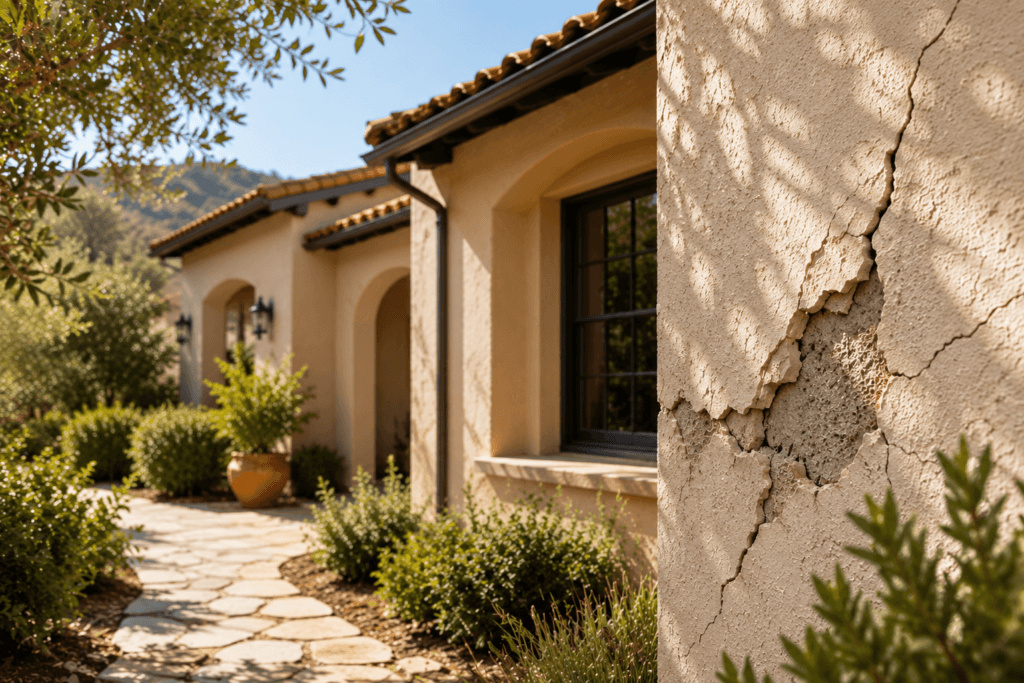
Several factors contribute to stucco damage, which can vary based on geographic location and specific construction practices. Environmental factors like heavy rainfall, temperature fluctuations, and direct sunlight can weaken stucco over time. Additionally, improper installation techniques or substandard materials may increase the risk of cracks and other damage. Furthermore, the natural settling of buildings can stress the stucco, leading to various issues.
Delving deeper into the specific mechanisms of stucco deterioration, studies show that shrinkage and shear are significant contributors to the cracking observed in stucco systems.
“Stucco cracking commonly occurs due to concrete shrinkage and high shear stresses. Proper inspection, diagnosis, and repair are essential for maintaining the long-term performance of masonry wall systems.”
— Adapted from J. de Brito, 2015
Preventing stucco damage involves proactive measures to ensure its longevity and resilience. Here are some effective strategies:
- Proper Installation: Ensuring stucco is installed according to best practices is crucial. Engaging experienced contractors minimizes the likelihood of future damage.
- Regular Inspections: Homeowners should conduct periodic inspections to identify any signs of wear or damage early.
- Utilizing Sealants: Applying high-quality sealants can protect stucco surfaces from moisture penetration and other harmful elements.
For those looking to maintain or repair their stucco, consulting experts can offer tailored solutions for optimal results. Vision Stucco specializes in providing repair, maintenance, and remediation services for stucco structures, ensuring that your investment remains protected.
Repair Methods

When stucco damage does occur, several repair methods can rectify the issues effectively. Assessing the extent of the damage is the first step in determining the appropriate fix. Common repairs may involve patching small cracks or, in more severe cases, reapplying a full stucco finish. Homeowners can choose to undertake simple repairs themselves or opt for professional assistance to ensure high-quality results.
Best Practices for Maintenance
Maintaining stucco involves routine care to prevent buildup of moss, dirt, or cracking. Here are some best practices homeowners can adopt:
- Regular Cleaning: Schedule cleaning of stucco surfaces at least once a year to remove debris and prevent moisture accumulation.
- Prompt Repairs: Address any signs of damage immediately to prevent worsening conditions.
- Professional Evaluations: Engaging professionals for periodic evaluations can help identify underlying issues that may not be visible.
Frequently Asked Questions
What Are the Primary Causes of Stucco Damage in Residential and Commercial Properties?
- Understanding the primary causes of stucco damage is essential for both residential and commercial property managers. Environmental stressors, such as high humidity or salt exposure in coastal areas, can significantly impact stucco integrity. Similarly, construction flaws, including inadequate drainage systems, can lead to moisture accumulation and subsequent damage. Finally, neglecting regular maintenance responsibilities can lead to significant deterioration over time.
How Does Moisture Penetration Affect Stucco Integrity?
- Moisture penetration is one of the most detrimental factors affecting stucco. When water seeps into stucco materials, it can cause various issues, including mold growth, deterioration, and cracking. The presence of moisture weakens the structural integrity, leading to considerable long-term damage if not addressed promptly. It is crucial for property owners to ensure proper drainage and waterproofing measures are in place to protect stucco surfaces from moisture infiltration.
- Further examination reveals that stucco’s susceptibility to water penetration makes it a critical area of study for construction defects.
Research suggests that properly designed stucco cladding systems can effectively manage moisture when installed with appropriate drainage and ventilation details. Regular inspections and proper installation play an important role in reducing the risk of water intrusion.
— Adapted from H. Saber, National Research Council Canada, 2017
Indeed, a significant cause of water penetration in stucco is often attributed to wind-driven rain.
Studies have identified wind-driven rain as one of the primary causes of moisture intrusion in exterior wall systems. Proper stucco installation, flashing, drainage, and maintenance help minimize the risk of water penetration over time.
— Adapted from research on wind-driven rain penetration, 2015
Which Structural Movements and Environmental Factors Lead to Stucco Cracking?
- Structural movements such as the settling of a building can create stress on stucco walls, resulting in cracks. Similarly, environmental factors, including temperature fluctuations, can cause stucco to expand and contract. This movement can lead to fissures developing within the material. Regular monitoring and timely repairs are essential to mitigate the risk of further damage and ensure the longevity of stucco exterior walls.
What Are the Most Effective Techniques for Preventing Stucco Cracks and Water Damage?
- Implementing effective prevention techniques can drastically reduce the risk of cracks in stucco. Following expert recommendations during installation and ensuring the use of quality materials are foundational steps. Additionally, regular maintenance practices, such as resealing stucco and maintaining gutters for proper drainage, play vital roles in preventing water damage. By following these preventive measures, property owners can protect their investments and maintain the aesthetic appeal of their structures.
How Do Regular Inspections and Maintenance Practices Mitigate Stucco Deterioration?
- Routine inspections and maintenance practices are key to preserving stucco integrity. Property owners should establish a maintenance schedule to regularly check for signs of wear, such as cracks or water stains. Implementing preventative measures, such as cleaning gutters and proper landscaping to divert water, further reduces the risk of stucco deterioration. These practices not only extend the lifespan of stucco but also enhance the overall appearance of buildings.
What Role Do Protective Coatings and Sealants Play in Stucco Preservation?
- Protective coatings and sealants are essential for the long-term preservation of stucco. These products create a barrier that prevents moisture penetration, protecting stucco from potential damage. Various types of sealants cater to different environmental conditions, and choosing the right one based on specific needs is crucial. Proper application of these coatings ensures the stucco remains resistant to peeling and other forms of degradation.
When and How Should Property Owners Engage Professional Stucco Repair Services?
- Owners should engage professional stucco repair services when they notice significant damage or ongoing moisture issues. Identifying the right time to call in an expert can save property owners from escalating problems that lead to costly repairs. When selecting a professional service, property owners should consider the contractor’s experience, reviews, and the range of services offered, ensuring they can address specific needs effectively.
What Are the Indicators That Stucco Damage Requires Expert Assessment and Repair?
- Several indicators signify that stucco damage requires professional assessment. Cracks larger than a quarter-inch, significant discoloration, and signs of water pooling can all point to deeper issues needing repair. Ignoring these warning signs can lead to more severe structural damage, necessitating costly fixes. Thus, staying vigilant and contacting professionals when these indicators arise is crucial for timely interventions.
How Does Understanding Stucco Repair Costs Influence Timely Intervention?
- Understanding stucco repair costs helps home and property owners recognize the importance of timely intervention. By being informed about potential costs associated with damage and repairs, property owners are more likely to act swiftly when issues arise. Repairing minor damage early can prevent more extensive, costly repairs later, ultimately helping to maintain the property’s value and integrity.
Which Best Practices for Stucco Maintenance Ensure Longevity and Structural Integrity?
- To ensure the longevity of stucco and maintain its structural integrity, property owners should adopt several best maintenance practices. Key practices include:
- Routine Inspections: Implement regular checks for water damage or structural issues.
- Timely Repairs: Address any cracks or surface damages immediately to prevent further deterioration.
- Environmental Considerations: Be mindful of local weather conditions and adjust maintenance practices accordingly, especially in coastal regions.
Adopting these strategies will significantly enhance the durability and aesthetic appeal of stucco surfaces.
What Preventive Maintenance Tips Are Recommended for Coastal South Bay Properties?
- For coastal South Bay properties, specific maintenance considerations can help combat issues unique to the area. Here are essential tips:
- Increase Drainage: Ensure efficient drainage systems are in place to handle high levels of moisture.
- Utilize Marine-Grade Sealants: Use suitable sealants designed to withstand the harsh coastal environment.
- Frequent Cleaning: Schedule more regular cleanings to remove salt deposits from ocean breezes that can affect stucco integrity.
By implementing these strategies, property managers and owners can protect their coastal properties significantly.
How Can Property Managers Implement Effective Stucco Care Programs?
- Property managers should consider a variety of strategies to create effective stucco care programs:
- Regular Training: Equip staff with knowledge of proper maintenance techniques.
- Scheduled Inspections: Establish a routine inspection program to identify issues early.
- Documentation: Keep detailed records of maintenance activities and repairs to track progress and plan future actions.
These strategies promote proactive care, ensuring stucco exteriors remain in optimal condition for years to come.