
Smooth, sand, and lace are the three stucco finishes most homeowners weigh for a new installation or re-stucco project. This stucco finishes comparison looks at how each texture appears, what it takes to maintain, and which architectural styles it suits best, so choosing exterior stucco texture is easier.
Smooth, Sand, and Lace: How They Compare
Smooth Stucco Finish
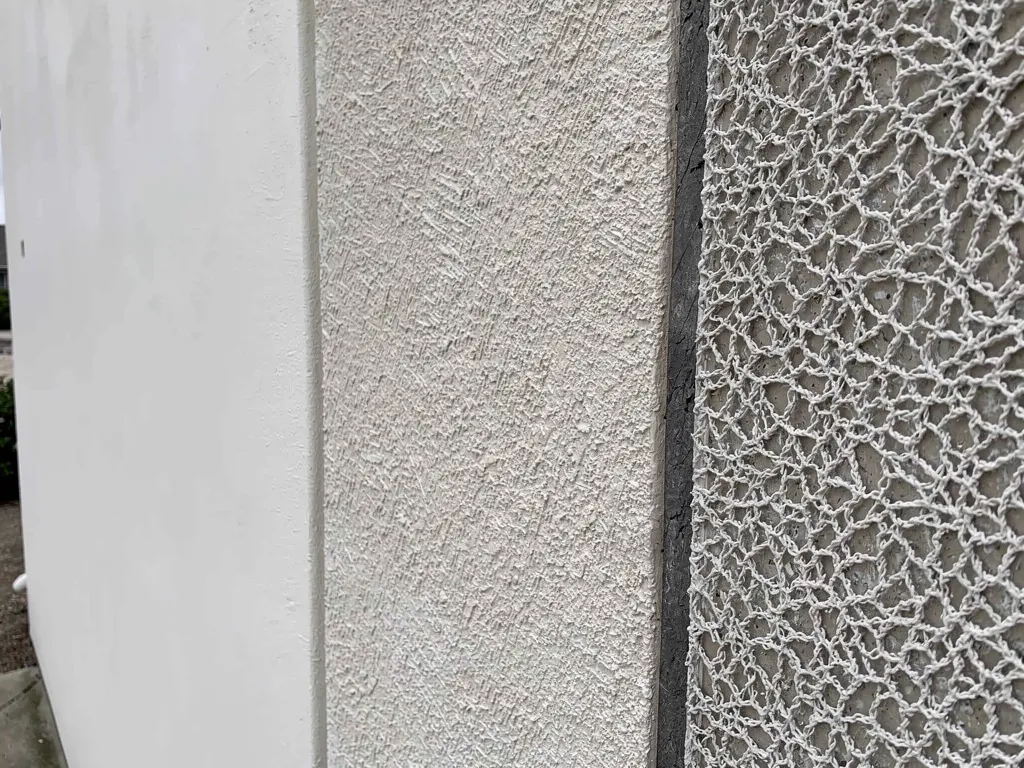
A smooth stucco finish is applied with a steel trowel to create a flat, clean surface that resembles a painted wall. It fits contemporary and Mediterranean architecture well. Because the surface is level and consistent, any imperfections in the substrate are harder to hide, so smooth finish stucco cost tends to run higher, reflecting the additional skill and labor the flat surface requires.
Sand Finish Stucco
Sand finish stucco is created by pressing a foam float across the surface, embedding sand grains for a light, even texture. In a smooth stucco vs sand finish comparison, sand sits in the middle: less flat than smooth, less pronounced than lace. Sand finish stucco maintenance generally involves routine rinsing and periodic inspection for hairline cracking, similar to other textures.
Lace Stucco Texture
Lace, sometimes called Spanish lace stucco texture, is applied with irregular trowel strokes that create a stippled, hand-worked pattern. It adds architectural depth and can help mask minor surface irregularities. Lace works on a range of homes, from production builds to custom and coastal properties where a more traditional, textured look fits the design.
Stucco Finish Comparison
Finish | Appearance | Maintenance Considerations | Best Suited For |
|---|---|---|---|
Smooth | Flat, clean, painted-wall look | Substrate flaws and touch-ups are more visible | Contemporary and Mediterranean designs |
Sand | Light, even texture | Easy to rinse; texture helps mask minor wear | Wide range of architectural styles |
Lace | Irregular, stippled, textured | Texture conceals minor imperfections | Traditional, coastal, and custom homes |
New Installation vs Re-Stucco
Homeowners planning a new installation have more flexibility to match finish to architectural style from the outset. A re-stucco project usually needs to account for the existing wall condition, drainage details, and any cracking or moisture issues before a new texture goes on, since re-stucco home finishes are applied over an existing structure rather than a bare substrate.
Coastal exposure to salt air and UV is also worth factoring in alongside the finish choice. All standard stucco finishes share the same base materials, Portland cement, sand, water, fiber, and lime, so texture mainly affects appearance and day-to-day upkeep rather than the wall’s core composition.
About Vision Stucco
Vision Stucco provides stucco installation in Southern California, including traditional and architectural stucco systems, structural stucco repair, and master plastering restoration. The team reviews each property’s condition and exposure before recommending a finish for a new installation, re-stucco, or restoration project.
FAQ
Common Inquiries
How do I choose between smooth, sand, and lace stucco?
Consider the architectural style of the home, the condition of the existing wall for a re-stucco project, and how much surface texture is preferred. Smooth suits clean, contemporary lines; sand offers a subtle middle ground; lace adds more pronounced texture and depth.
Does stucco texture affect maintenance?
Texture mainly affects how visible wear, cracking, or touch-ups are rather than changing the underlying upkeep routine. Smoother finishes tend to show flaws more readily, while textured finishes like sand and lace can help mask minor imperfections.
Can a lace finish work on a custom home?
Yes. While lace is common on production and tract-style homes, it also suits custom and coastal properties where a traditional, textured look fits the architectural intent.
Contact us
Get a Stucco Finish Recommendation
Vision Stucco reviews property condition and exposure before recommending a smooth, sand, or lace finish for a new installation or re-stucco project.