
Commercial stucco installation involves more than applying a finish coat. Property owners and managers need a plan that accounts for substrate condition, building use, tenant schedules, and finish selection before work begins. This guide covers what to consider at each stage of a commercial stucco installation project, from early planning through hiring the right contractor.
Planning a Commercial Stucco Installation
Every project starts with the building itself. Office buildings, retail centers, and apartment complexes each place different demands on an exterior system, depending on foot traffic, climate exposure, and how the property is used day to day.
Stucco comes in more than one form. Traditional hard-coat stucco and synthetic systems (such as EIFS) each offer different advantages in cost, flexibility, and appearance, and the right choice depends on the building’s needs rather than a single “better” option. A commercial property stucco planning conversation with a qualified contractor should cover which system fits the property, the budget, and the desired finish before any work is scheduled.
Preparing the Building for Stucco Work
Substrate condition determines how well a new stucco system performs. Before installation, the existing wall surface should be inspected for moisture damage, cracking, or structural issues that need to be resolved first.
Typical preparation steps include:
- Inspecting and repairing damaged sheathing or framing
- Confirming proper moisture barriers and flashing are in place
- Addressing drainage issues around windows, doors, and rooflines
- Removing or treating any existing coating that could affect adhesion
Skipping these steps is one of the most common reasons stucco fails prematurely, regardless of which system is installed.
Scheduling Considerations for Multi-Unit Properties
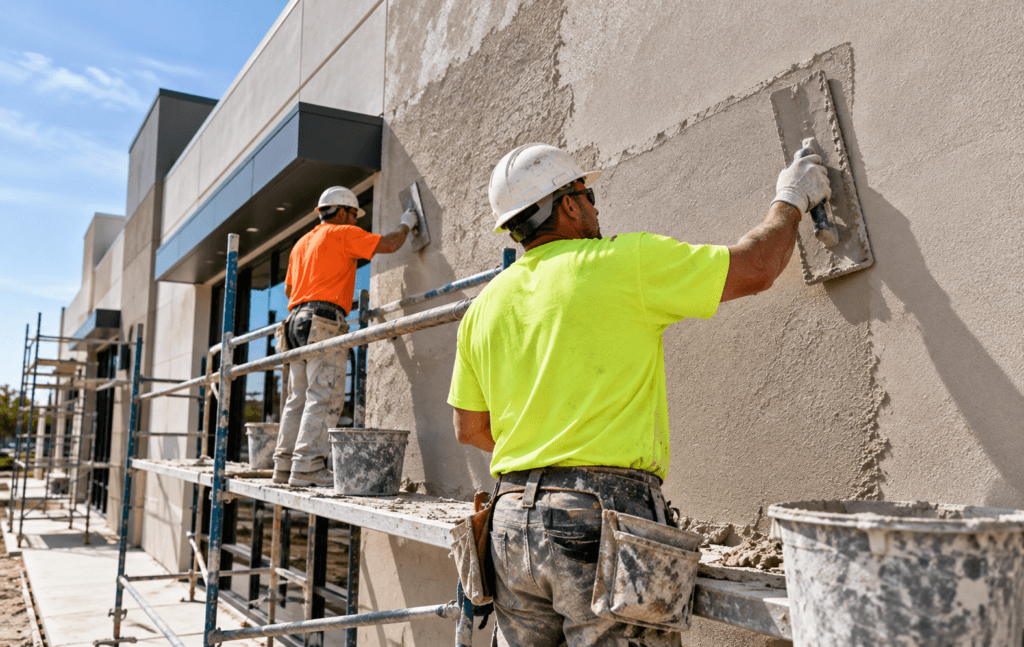
Commercial and multi-family buildings are rarely empty during a renovation. Scheduling a commercial stucco installation around tenants, customers, or business hours takes coordination that a residential project doesn’t require.
Property managers should plan for:
- Phasing work by unit, floor, or building section to limit disruption
- Advance notice to tenants about noise, scaffolding, or access changes
- Weather windows, since stucco application depends on temperature and moisture conditions
- Coordination with other ongoing maintenance or capital improvement work
A contractor experienced with occupied commercial properties should be able to walk through a phased schedule before the project starts.
Choosing a Finish and Texture
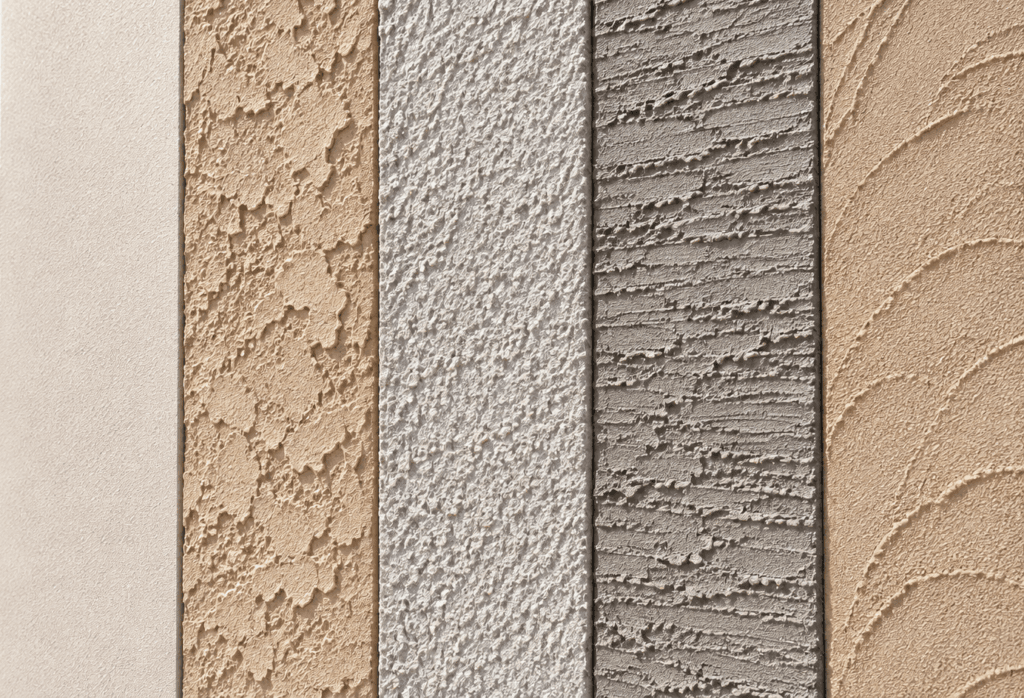
Finish selection affects both appearance and long-term maintenance. Texture options range from smooth and fine sand finishes to heavier textures that can help hide minor surface imperfections over time.
Color and texture should align with the building’s architectural style and any surrounding properties, particularly for retail centers or mixed-use developments where visual consistency matters. Discussing finish samples and mock-ups with a contractor before full application helps avoid mismatched results across a large facade.
Questions to Ask Before Hiring a Commercial Stucco Contractor
Choosing the right commercial stucco contractor is one of the most important decisions in the process. A few direct property manager contractor questions can reveal whether a contractor is prepared for a commercial-scale job:
- How will the project team evaluate the substrate before starting work?
- What stucco systems do you offer, and which would you recommend for this building?
- How are cracks diagnosed, and what causes are considered before a repair method is chosen?
- What is the proposed schedule, and how will it account for an occupied building?
- How are project specifications reviewed and communicated before work begins?
These stucco installation considerations help property owners compare contractors on substance rather than price alone.
FAQ
Common Inquiries
How long does a commercial stucco installation typically take?
Timelines vary based on building size, substrate condition, and weather. A contractor should provide a project-specific schedule after assessing the building and confirming the scope of work.
Can stucco be installed on an occupied commercial building?
Yes, with proper phasing and scheduling. Many commercial stucco projects are completed in sections to limit disruption to tenants, customers, or daily operations.
What's the difference between traditional and synthetic stucco systems?
Traditional hard-coat stucco is a cement-based system applied in multiple layers, while synthetic systems like EIFS use a foam insulation base with a finish coat. Each has different cost, appearance, and maintenance characteristics, and the right fit depends on the building and project goals.
Contact us
Work With Vision Stucco
Vision Stucco provides commercial stucco and plaster services throughout Southern California, including traditional and architectural stucco systems and structural repair. Contact Vision Stucco at +1 (424) 265-0125 or info@visionstucco.com to discuss planning, scheduling, or finish options for a commercial property.